
 English
 Español
 Pусский
 العربية
 中文
中文
acoustic classroom door
Acoustic Classroom Door: Enhancing Learning Environments In modern educational settings, creating an optimal learning environment is crucial for student engagement and academic success. One often overlooked yet essential component is the acoustic classroom door, designed to minimize noise disruption while ensuring functionality and durability. 1. Importance of Acoustic Performance Classrooms are dynamic spaces where concentration is key. External noise—such as hallway chatter, foot traffic, or nearby activities—can significantly disrupt lessons. An acoustic classroom door addresses this challenge by incorporating sound-absorbing materials and tight seals to reduce noise transmission. Studies show that excessive background noise negatively impacts comprehension, particularly for younger students or those with hearing impairments. A well-designed acoustic door helps maintain a quiet, focused atmosphere conducive to learning. 2. Key Design Features - Soundproofing Materials: High-density cores, such as solid wood or composite layers, dampen sound waves. Additional insulation, like rubber or foam gaskets, enhances noise reduction. - Sealing Mechanisms: Automatic door bottoms and perimeter seals prevent sound leaks when the door is closed. - Durability: Schools require doors that withstand frequent use. Reinforced edges, sturdy hinges, and impact-resistant surfaces ensure longevity. - Safety Compliance: Fire-rated options provide both acoustic benefits and emergency safety, meeting building codes. 3. Functional and Aesthetic Considerations Beyond acoustics, classroom doors should blend functionality with aesthetics. Options include: - Glazing: Small windows allow visibility without compromising sound insulation. Frosted or tempered glass ensures privacy and safety. - Operational Ease: Smooth-opening mechanisms, such as soft-close hinges, reduce disruptive slamming. - Customization: Neutral colors or writable surfaces can integrate the door into the classroom’s design while serving practical purposes. 4. Impact on Learning A well-engineered acoustic door contributes to: - Improved Focus: Students and teachers experience fewer distractions. - Accessibility: Supports inclusive education for students with sensory sensitivities. - Energy Efficiency: Better seals also help regulate room temperature, reducing HVAC costs. Conclusion The acoustic classroom door is a vital element in modern educational architecture. By combining advanced materials, thoughtful design, and user-friendly features, it creates a quieter, more productive learning space. Investing in high-performance doors reflects a commitment to quality education—where every detail, down to the door, plays a role in shaping successful learners. (Word count: 500)
Sản phẩm
Danh mục:
-
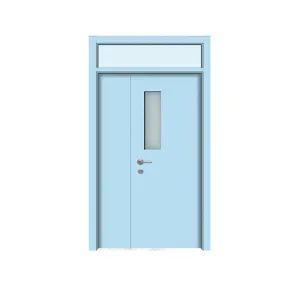
Cửa lớp học cách âm
Phân loại của họ: Cửa lớp họcLượt xem: 106Số:Thời gian phát hành: 2025-10-31 16:57:56Cửa lớp học cách âm được thiết kế để giảm truyền tiếng ồn và tạo môi trường học tập yên tĩnh, tập trung. Được chế tạo bằng vật liệu cách âm mật độ cao, các cạnh bịt kín và lõi được thiết kế cách âm, cánh cửa này chặn tiếng ồn bên ngoài một cách hiệu quả từ hành lang, sân chơi hoặc các lớp học lân cận. Nó nâng cao hiệu quả giảng dạy, hỗ trợ sự tập trung của học sinh và đáp ứng các tiêu chuẩn về độ bền và an toàn của trường học hiện đại. Lý tưởng cho các trường học, trung tâm đào tạo, thư viện và phòng âm nhạc, cửa lớp học cách âm mang lại hiệu suất lâu dài, bảo trì dễ dàng và cải thiện sự thoải mái về âm thanh cho bất kỳ cơ sở giáo dục nào.
Tin tức
Danh mục:
Không có kết quả tìm kiếm!
Trường hợp
Danh mục:
Không có kết quả tìm kiếm!
Video
Danh mục:
Không có kết quả tìm kiếm!
Tải về
Danh mục:
Không có kết quả tìm kiếm!
Tuyển dụng
Danh mục:
Không có kết quả tìm kiếm!
Sản phẩm được đề xuất
Không có kết quả tìm kiếm!



 Điện thoại