

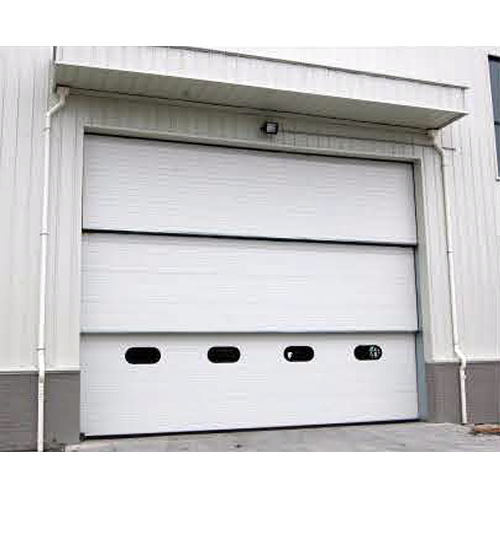
Comprehensive Guide to Training Staff on Fire Door Safety
Introduction
Fire doors play a critical role in protecting lives and property during a fire emergency. They are designed to compartmentalize smoke and flames, allowing occupants to evacuate safely and giving emergency responders time to control the situation. However, fire doors only function correctly when they are properly installed, maintained, and used.
Training staff on fire door safety is essential to ensure compliance with fire safety regulations, prevent accidents, and maintain a safe working environment. This guide provides a structured approach to training employees on fire door safety, covering key aspects such as legal requirements, fire door components, inspection procedures, and emergency protocols.
---
1. Understanding the Importance of Fire Doors
Before training staff, it is crucial to explain why fire doors are necessary. Key points to cover include:
- Life Safety: Fire doors slow the spread of fire and smoke, providing escape routes and reducing fatalities.
- Property Protection: They help contain fire damage, minimizing business disruption.
- Legal Compliance: Failure to maintain fire doors can result in fines, legal liability, or invalidated insurance.
- Building Regulations: Fire doors are required in commercial and residential buildings under fire safety laws.
Staff should understand that fire doors are not just ordinary doors—they are a critical part of a building’s passive fire protection system.
---
2. Legal and Regulatory Requirements
Different countries and regions have specific fire safety regulations. Training should include:
- Local Fire Codes: Ensure staff are aware of national and local fire safety laws (e.g., NFPA, BS 9999, or local building codes).
- Employer Responsibilities: Employers must conduct regular fire risk assessments and ensure fire doors are functional.
- Penalties for Non-Compliance: Fines, legal action, or business closure can result from neglected fire safety measures.
Provide staff with access to relevant fire safety documents and ensure they know who the designated fire safety officer is.
---
3. Components of a Fire Door
A fire door is a complex assembly with several critical components. Staff should be trained to recognize and understand:
- Door Leaf: The main door panel, usually made of fire-resistant materials.
- Frame: Must be fire-rated and properly fitted to prevent gaps.
- Seals (Intumescent Strips): Expand when exposed to heat, sealing gaps to block smoke and flames.
- Hinges: Must be fire-rated and correctly installed (usually three or more per door).
- Closers: Ensure the door shuts automatically after use.
- Locks and Latches: Must not obstruct the door’s ability to close fully.
- Vision Panels (if present): Made of fire-resistant glass.
Staff should be able to identify defects in any of these components during inspections.
---
4. Proper Use of Fire Doors
Many fire door failures occur due to misuse. Training should emphasize:
- Never Prop Open Fire Doors: Fire doors must remain closed or be fitted with automatic release mechanisms.
- Avoid Obstructions: Items stored near fire doors can prevent them from closing.
- Correct Closing Mechanism: Staff should check that doors close fully without sticking.
- No Modifications: Drilling holes, adding unauthorized locks, or removing seals can compromise fire resistance.
Use real-life examples of fire incidents where improper door use led to severe consequences.
---
5. Fire Door Inspections and Maintenance
Regular inspections are essential. Train staff to:
Daily/Weekly Checks (Non-Technical Staff)
- Ensure doors close fully.
- Check for visible damage (cracks, warping, missing seals).
- Confirm no obstructions block the door.
- Verify that closers and hinges function correctly.
Monthly/Annual Checks (Maintenance Team)
- Test intumescent seals and replace if damaged.
- Inspect door alignment and adjust if necessary.
- Check all hardware (hinges, locks, closers) for wear.
- Document inspections and report issues immediately.
Provide a checklist for staff to follow during routine checks.
---
6. Emergency Procedures Involving Fire Doors
Staff should know what to do in case of a fire:
- Evacuation Routes: Ensure fire doors along escape paths are unobstructed.
- Do Not Re-enter: Once evacuated, never go back through a fire door unless instructed by firefighters.
- Fire Warden Responsibilities: Designated staff should verify that all fire doors are closed during an evacuation.
Conduct fire drills to reinforce proper behavior during emergencies.
---
7. Common Fire Door Mistakes and How to Avoid Them
Highlight frequent errors that compromise fire door safety:
- Using Incorrect Hardware: Non-fire-rated hinges or locks can fail under heat.
- Ignoring Small Gaps: Even a small gap can allow smoke and flames to spread.
- Painting Over Seals: Intumescent strips must remain exposed to function.
- Assuming Self-Closing Doors Work: Regular testing is necessary.
Encourage staff to report any concerns immediately.
---
8. Training Methods and Resources
Effective training can be delivered through:
- Classroom Sessions: Cover theory, regulations, and case studies.
- Hands-On Demonstrations: Show how to inspect and test fire doors.
- E-Learning Modules: Allow flexible learning for remote staff.
- Posters and Signage: Reinforce key messages in the workplace.
- Fire Drills: Practical exercises to test knowledge.
Use quizzes or assessments to ensure comprehension.
---
9. Assigning Roles and Responsibilities
Clearly define who is accountable for fire door safety:
- Facility Managers: Oversee inspections and maintenance.
- Fire Wardens: Ensure doors are functional during emergencies.
- All Staff: Report issues and follow safety protocols.
Document responsibilities in the fire safety policy.
---
10. Continuous Improvement and Refresher Training
Fire door safety is not a one-time lesson. Implement:
- Annual Refresher Courses: Update staff on new regulations or procedures.
- Feedback Mechanisms: Encourage employees to suggest improvements.
- Regular Audits: Ensure compliance with training standards.
---
Conclusion
Properly trained staff are the first line of defense in fire safety. By understanding the critical role of fire doors, recognizing hazards, and following best practices, employees can help prevent disasters and save lives. A structured training program, combined with ongoing reinforcement, ensures that fire door safety remains a priority in the workplace.
Investing in comprehensive fire door training not only meets legal obligations but also fosters a culture of safety where everyone takes responsibility for protecting themselves and others.
Trang web này sử dụng cookie để đảm bảo bạn có được trải nghiệm tốt nhất trên trang web của chúng tôi.
 English
 Español
 Pусский
 العربية
 中文
中文



 Điện thoại
Bình luận
(0)